
Oneuli Black Sand Beach is a hidden South Maui gem with dark sands, lava rock, coastal views, snorkeling, and a unique volcanic landscape.
Maui, Hawaii
30 Minutes - 1 Hour
Any
$10 per Vehicle
For non-Hawaii Residents
Overview
When you think about a black sand beach in Maui, Waiʻānapanapa State Park is probably the first place that comes to mind. Waiʻānapanapa, home to Honokalani Beach, is certainly the most famous black sand beach on the island, but it isn’t the only place where you can see volcanic sand. Tucked along the South Maui coastline is Oneuli Black Sand Beach, a much smaller and more secluded beach that is part of Mākena State Park.
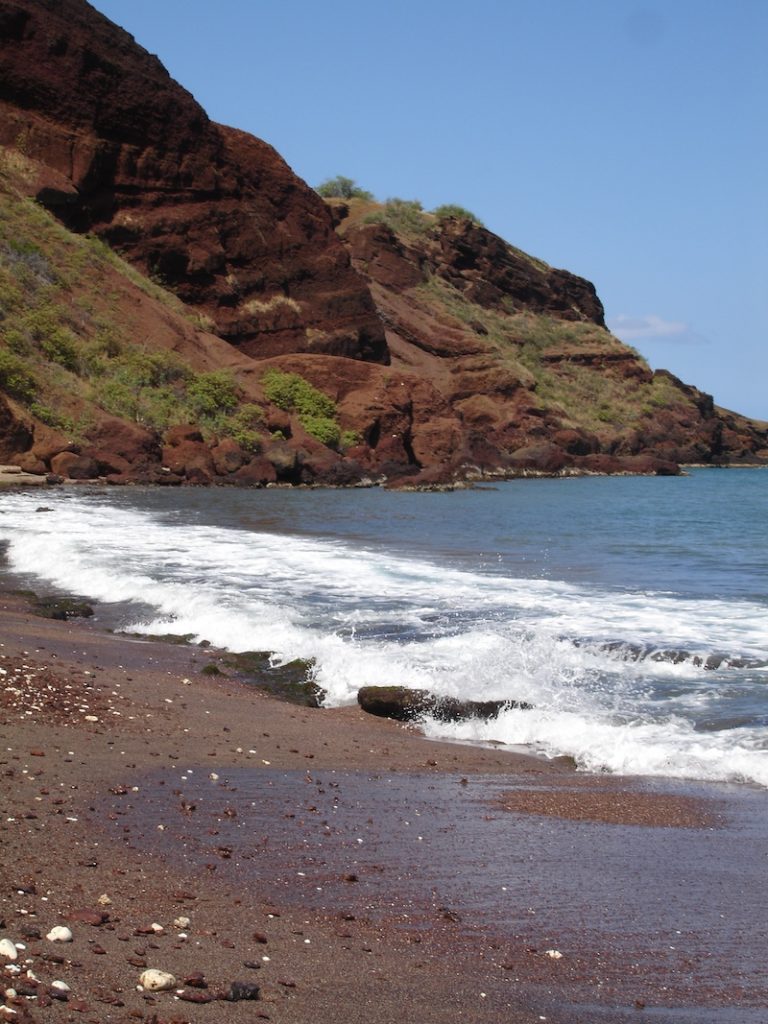
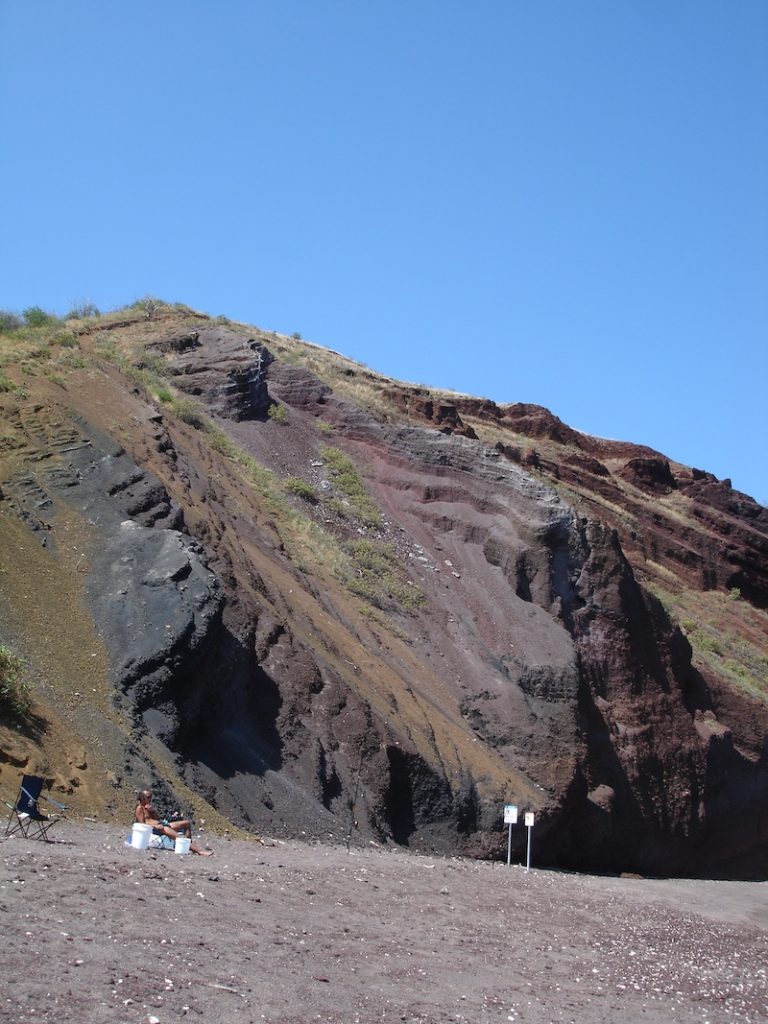
Oneuli Beach, also known as Oneʻuli Beach or Naupaka Beach, sits near the base of Puʻu Ōlaʻi, a prominent geological landmark feature along the South Maui coastline. The combination of dark sands, lava rock, volcanic materials, exposed layers of cinder, and the blue Pacific Ocean makes this an unusual opportunity to see part of Maui’s geologic story up close.
What makes Oneuli Black Sand Beach especially interesting is that it feels completely different from many of the larger beaches near the resort areas of Wailea and South Maui. Instead of a broad stretch of typical beach sand, you’ll find grains of black sand mixed with lighter material, lava fragments, and a rugged shoreline.
Oneuli isn’t necessarily the beach I would choose if my only goal were to spend the entire day swimming in the ocean. The lava rock and rocky water’s entry can make getting into the water tricky, and swimming conditions can change quickly. Instead, I think of Oneuli as a fantastic place to stop for the scenery, geology, coastal views, photography, and the chance to experience one of Maui’s less-developed black sand beaches.
And if you’re trying to decide between Oneuli and Waiʻānapanapa State Park, remember that they offer very different experiences. Waiʻānapanapa is on East Maui along the Hana Highway and requires an advance reservation and reservation time slot for visitors. Oneuli is in South Maui and is much easier to add to a day exploring the Mākena area.


History
Oneuli means “dark sands” in Hawaiian, which is a pretty perfect name for this unusual Maui beach. The dark sand is volcanic in origin and is connected to the nearby Puʻu Ōlaʻi cinder cone. Volcanic activity, erosion of volcanic rock, and the breakdown of lava fragments have all contributed to the landscape you see along this section of coastline.
Puʻu Ōlaʻi rises approximately 360 feet above the surrounding landscape and is one of the most recognizable geological features in this part of the island. The cinder cone and Oneuli Beach together provide a fascinating look at the volcanic makeup of Maui.
Rather than being the result of a recent volcanic eruption or hot lava flowing directly onto the beach, the dark material is part of the older volcanic landscape. Over time, weathering and erosion have broken down volcanic materials into smaller pieces that contribute to the beach’s distinctive appearance.
The beach is also sometimes called Naupaka Beach, so don’t be surprised to see both names used when researching Oneuli Beach.
One of my favorite things about places like Oneuli is that you don’t have to be a geology expert to appreciate what you’re seeing. The dark sands, lava rock, cinder, and rugged coastline tell a story about the volcanic islands that make up the Hawaiian Islands.
The area also has cultural significance, and visitors should remember that Hawaiian culture and the natural landscape are closely connected. Treat the area as a sacred place and respect archaeological sites, plants, wildlife, and other natural resources.
Oneuli Black Sand Beach Plan
When we visit somewhere as beautiful as Maui, Hawaii, we don’t want to spend our entire trip sitting at the same beach. We like to explore as much as we can, so Oneuli Black Sand Beach was one of the stops we wanted to make while exploring South Maui.
It was an easy addition to a day around the Mākena area because there are several other beaches and attractions nearby. Instead of making a special trip just for Oneuli, you can combine it with Big Beach, Little Beach, Mākena Beach, Mākena State Park, Makena Landing, Wailea, or other South Maui stops.
That makes Oneuli a perfect spot for travelers who want to see more of Maui beyond the resort areas. You can spend some time exploring the black sand beach, check out the coastal views, and then continue down Mākena Alanui Road to another South Maui attraction.
If you’re trying to see as much of the island as possible, I would much rather make Oneuli part of a larger South Maui day than spend hours driving across the island just to visit a small beach.
Getting There
Location
Maui is one of the major Hawaiian islands and is located in the central Pacific Ocean. The island is known for its beaches, volcanic landscapes, waterfalls, scenic drives, hiking trails, snorkeling, Hawaiian culture, and outdoor adventures.
Oneuli Black Sand Beach is located in South Maui in the Mākena area, south of Wailea and Kihei. It is part of Mākena State Park, which includes Oneloa, commonly known as Big Beach, Puʻu Ōlaʻi, and other coastal areas.
The official Hawaiʻi State Parks description identifies Mākena State Park as a scenic wildland beach park characterized by the prominent Puʻu Ōlaʻi cinder cone and large white sand beach. Oneuli provides a very different view of the park’s coastline with its dark volcanic shoreline.
This location makes Oneuli particularly convenient if you’re staying around Wailea, Kihei, or South Maui and want to explore some of the less-developed coastline.
And don’t confuse this beach with Waiʻānapanapa State Park. Waiʻānapanapa is on the opposite side of the island near Hāna and is home to Honokalani Beach, one of the most famous black sand beaches in Hawaiʻi. Oneuli is the smaller South Maui black sand beach near Mākena.
If you’re staying on the Wailea side of the Puʻu Ōlaʻi area, Oneuli can be a much easier black sand beach to include in your itinerary than making the long drive to East Maui.
Best Time to Go
Maui can be visited throughout the year, so the best time to visit really depends on what you want to do. For a beach stop like Oneuli, I would pay more attention to the weather, wind, surf, and swimming conditions than simply choosing a particular month.
For snorkeling or spending time along the shoreline, a morning visit can be especially appealing. The temperatures are generally more comfortable before the strongest heat of the day, and getting to the beach earlier can also give you a quieter experience.
The official Mākena State Park hours currently list Oneloa (Big Beach) and Oneuli (Black Sand Beach) as open daily from 5:00 a.m. to 7:00 p.m. During May, June, and July, the beach areas have extended hours until 7:45 p.m.
There is no reservation time slot or advance reservation requirement for Oneuli like there is at Waiʻānapanapa State Park. Hawaiʻi State Parks specifically identifies Waiʻānapanapa and Hāʻena as parks where reservations are required; Mākena is not included in that list.
No matter when you visit, check the ocean conditions before getting into the water. Mākena State Park specifically warns that shorebreak can be very dangerous.


Oneuli Black Sand Beach
Who Can Go?
Oneuli Beach can be visited by most travelers who are comfortable with a more natural, undeveloped beach setting.
That said, this isn’t the easiest beach on Maui for everyone. The access road is unpaved, the parking lot is limited, and the shoreline can be rocky. The beach also doesn’t offer the same developed amenities you might find at larger Maui beaches.
Families can certainly visit, but I would keep a close eye on children around the water and rocks. Strong surf, currents, lava rock, and uneven water’s entry points mean this isn’t a beach where I would assume swimming is safe simply because the ocean looks calm.
The same goes for anyone with mobility concerns. The combination of the rough dirt road, uneven terrain, and rocky shoreline can make Oneuli challenging for wheelchair users or anyone who needs a smooth, paved route to the beach.
Oneuli is best approached as a natural, rugged Maui beach rather than a fully accessible resort beach.
What You'll See
The first thing you’re likely to notice is the black sand.
Unlike the soft white sand found at many Hawaiian beaches, Oneuli’s shoreline has a dark, salt-and-pepper appearance created by volcanic materials mixed with lighter sand and coral or shell material. You’ll find grains of black sand, lava fragments, and lava rock along portions of the shoreline.
Behind the beach is Puʻu Ōlaʻi, the dramatic volcanic cinder cone that gives this part of South Maui so much character. Its exposed layers of cinder help create what feels like a giant cross-section of the Puʻu, giving you an unusual opportunity to see the makeup of a cinder cone from the coastline.
Look toward the ocean and you’ll have coastal views across the Pacific. Closer to shore, you may see reef areas, tropical fish, and a large variety of sea creatures.
Green sea turtles are also known to frequent the waters around Maui, although wildlife sightings are never guaranteed. If you happen to see green sea turtles, give them plenty of space and never touch or chase them.
When conditions are right, Oneuli can be a good spot for snorkeling in Maui. Rocky underwater areas and coral reef habitat can attract marine life, although getting into the water can be more difficult than at a typical sandy swimming beach.
You won’t find the dramatic sea caves, lava tube caves, freshwater caves, freshwater pool, sea arch, or blow hole associated with some other Hawaiian coastal areas at Oneuli, and that’s part of what makes it different from the famous Waiʻānapanapa coastline.
At Waiʻānapanapa State Park near Hāna, visitors can explore a very different volcanic coastal landscape featuring sea caves, lava formations, arches, and Honokalani Beach. Oneuli offers a much smaller-scale look at volcanic materials along the South Maui coast.
And, of course, bring your camera. Between the dark sands, blue water, lava rock, and red-and-green slopes of Puʻu Ōlaʻi, this is one of the more unusual photographic spots in South Maui.


What to Bring & Wear
Because Oneuli is a relatively undeveloped beach, you’ll want to arrive prepared. There isn’t a convenient collection of amenities waiting for you once you get there, and the state park notes that there is no drinking water available.
I would bring:
- Water and plenty of hydration
- Reef-safe sunscreen
- Sunglasses
- Hat
- Swimsuit
- Towel
- Water shoes or reef shoes
- Snorkel gear if you plan to snorkel
- Beach blanket
- Snacks
- Camera or phone
- Waterproof phone case
- Small beach bag
- Trash bag for packing everything back out
- A good book if you plan to relax on the beach
Water shoes are especially useful here. The beach isn’t simply soft sand from the parking lot to the water, and rocky areas can make walking barefoot uncomfortable.
Also remember that dark sand and lava rock can become extremely hot in direct sunlight, so footwear is useful even when you’re just walking along the beach.
Cell service can also vary, so don’t rely on your phone as your only source of navigation once you’re exploring the less-developed coastline.
Where to Go
Oneuli Beach is located off Mākena Alanui Road in South Maui, within Mākena State Park. The beach is tucked away from the main road, which is one reason it can feel like a hidden gem.
From the Wailea area, follow the road south toward Mākena. Continue along the coastal road toward Mākena State Park and watch for the dirt road turnoff leading toward Oneuli Beach.
Once you reach the beach area, you’ll find a small parking area near the shoreline. Parking availability can vary, so don’t assume there will always be an open space waiting for you.
If you’re using GPS, searching for Oneuli Black Sand Beach, Oneuli Beach, or Naupaka Beach should help, but I would still pay attention to the actual road and surroundings rather than blindly following navigation.
The entrance can be easy to miss because Oneuli isn’t prominently visible from the main road. The best way to find it is to watch carefully for the access road rather than waiting to see the beach from Mākena Alanui Road.
One important thing to remember is that the access road is unpaved, so conditions can matter. A vehicle with good clearance can make the rough road easier, while drivers in low-clearance rental cars should use extra caution.
How Long Does it Take?
If you’re simply stopping to see Oneuli Black Sand Beach, take photographs, walk along the shoreline, and enjoy the scenery, about 30 minutes to an hour can be enough.
If you want to snorkel, relax on the beach, explore the shoreline, or combine the visit with the surrounding Mākena area, I would plan on one to two hours.
You can also make Oneuli part of a longer South Maui beach day. Since Big Beach, Little Beach, Mākena Beach, and other attractions are nearby, there’s no reason to rush through your visit if you’re already exploring the area.
If you’re planning a coastal trail or hiking route around Puʻu Ōlaʻi, plan additional time and be prepared for rough terrain and elevation rather than expecting a simple stroll.
Oneuli is also easy to pair with other stops on a South Maui itinerary, which is probably the best way to visit. Rather than treating it as an all-day destination, use it as one stop in a larger day of exploring.


Cost
Oneuli Black Sand Beach is part of Mākena State Park, which currently charges non-residents $5 per person for park entry and $10 per non-commercial vehicle for parking. Children age 3 and under are free. Hawaiʻi residents with the required Hawaiʻi driver’s license or Hawaiʻi State ID can enter and park free under the current state park fee structure.
This is an important update from older information you may find online. The current state park information separates the non-resident entrance fee from the non-commercial vehicle parking fee.
Mākena State Park does not require the advance reservation or same-day reservation system used at Waiʻānapanapa State Park. If you’re visiting Waiʻānapanapa, you will need to plan around its reservation system and assigned time slot; that does not apply to Oneuli.
Because fees, hours, and park policies can change, check the official Hawaiʻi State Parks information before your visit.
Tips for Oneuli Black Sand Beach
- Check the ocean conditions before getting in the water. The shoreline can have strong surf, currents, lava rock, and challenging entry points.
- Wear water shoes or reef shoes. The rocky shoreline makes them much more comfortable than going barefoot.
- Bring your own water. There is no drinking water available at Mākena State Park.
- Pack everything you need. Oneuli is much less developed than many popular Maui beaches.
- Don't take black sand, rocks, coral, or other natural materials home. Leave the volcanic landscape where you found it.
- Give wildlife plenty of space. If you spot green sea turtles or other marine life, enjoy watching them without approaching or touching them.
- Don't assume calm-looking water is safe. Conditions can change quickly, especially around rocky shorelines. The state specifically warns about dangerous shorebreak.
- Be careful on the access road. The dirt road can be rough and rutted, so drive slowly.
- Bring reef-safe sunscreen and reapply it. Maui's sun can be intense, even when temperatures don't feel particularly hot.
- Visit earlier in the day if you want a quieter experience.
- Combine Oneuli with other South Maui attractions. Big Beach, Little Beach, Mākena State Park, Mākena Beach, and other coastal stops make it easy to create a full day of exploring.
- Leave no trace. Pack out your trash and leave this beautiful volcanic coastline the way you found it. Hawaiʻi State Parks specifically asks visitors to protect plants, animals, historic sites, and reefs.
- Respect the park's posted rules and hours. Current hours for Oneuli and Oneloa are generally 5:00 a.m. to 7:00 p.m., with extended summer hours in May, June, and July.
- Don't confuse Oneuli with Waiʻānapanapa. Oneuli is the smaller South Maui black sand beach near Mākena, while Waiʻānapanapa is the famous black sand beach along the Hāna Highway.
- Don't make a special trip across Maui just for Oneuli if your itinerary is already focused on East Maui. If you're doing a Hāna tour or exploring the Hāna Highway, Waiʻānapanapa and Honokalani Beach make more geographic sense.
- Bring your camera. The combination of dark sands, blue water, lava rock, and Puʻu Ōlaʻi makes Oneuli one of the most unique beach photo opportunities in South Maui.
- Check current park information before leaving your resort area. Hours, access, weather, and park notices can change.
- Use caution with navigation. The dirt road turnoff can be easy to miss, and cell service shouldn't be your only plan for finding the beach.
- Treat the area with respect. Oneuli isn't just a beautiful black sand beach; it is part of a larger Hawaiian cultural and volcanic landscape.